Many people judge a painting project by the final colour, but the quality of the result is usually determined before the finishing coat is applied.
Surface preparation is one of the most important stages of professional painting. Even a premium paint product may fail when applied over dirt, moisture, unstable coatings or damaged plaster.
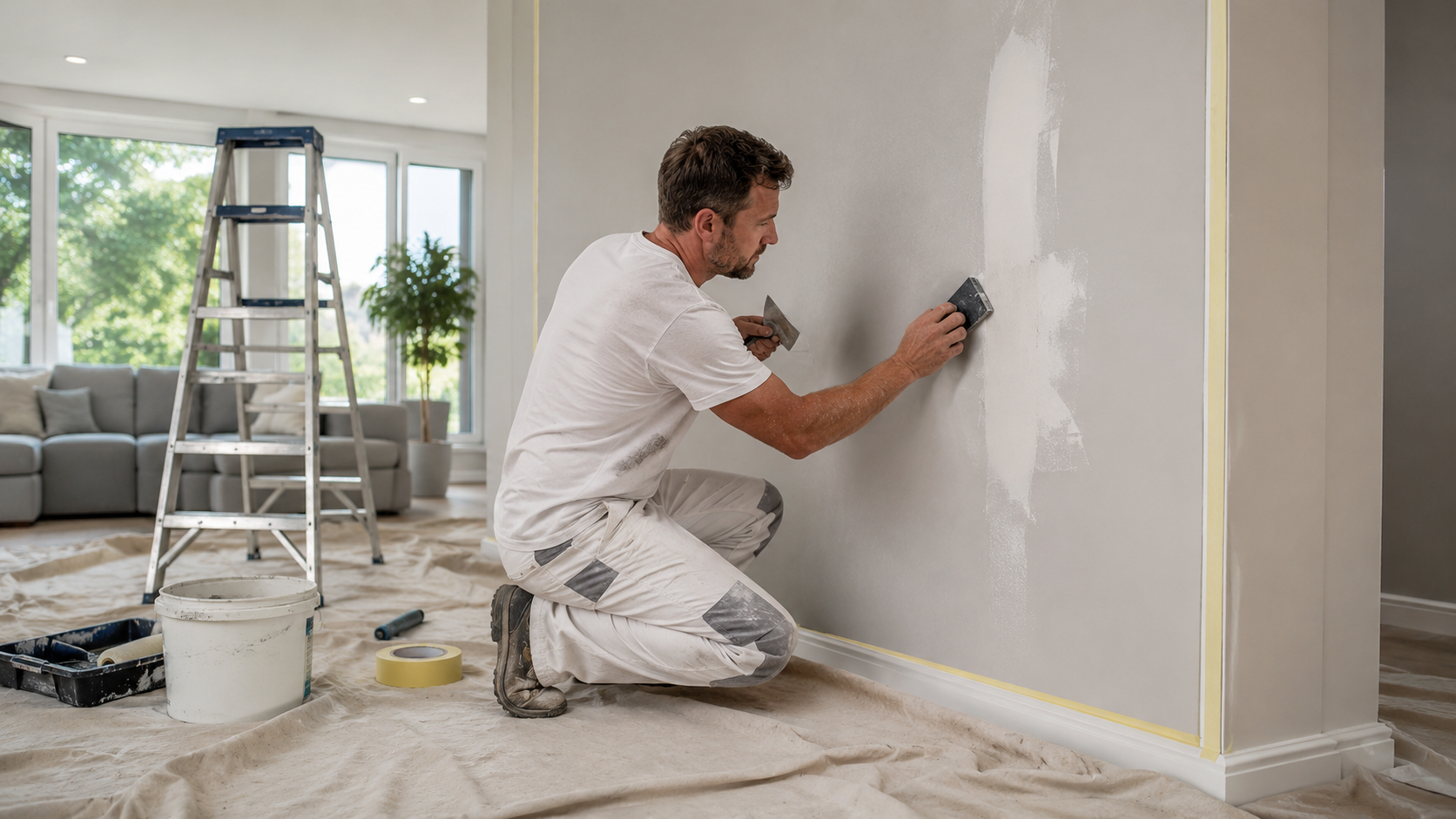
Paint needs a stable surface
Paint must bond securely to the underlying surface.
When walls contain loose paint, dust, grease, chalking residue or moisture, the new coating may struggle to adhere properly. This can lead to bubbling, flaking, cracking or peeling.
A professional assessment identifies these problems before painting begins.
Cleaning removes hidden contaminants
Exterior walls and roofs often collect dust, pollution, mildew and weather-related residue.
Interior surfaces may contain grease, fingerprints, smoke residue or general dirt. Kitchens and high-traffic commercial areas are especially likely to require careful cleaning.
Painting over contamination can trap it beneath the new coating and weaken adhesion.
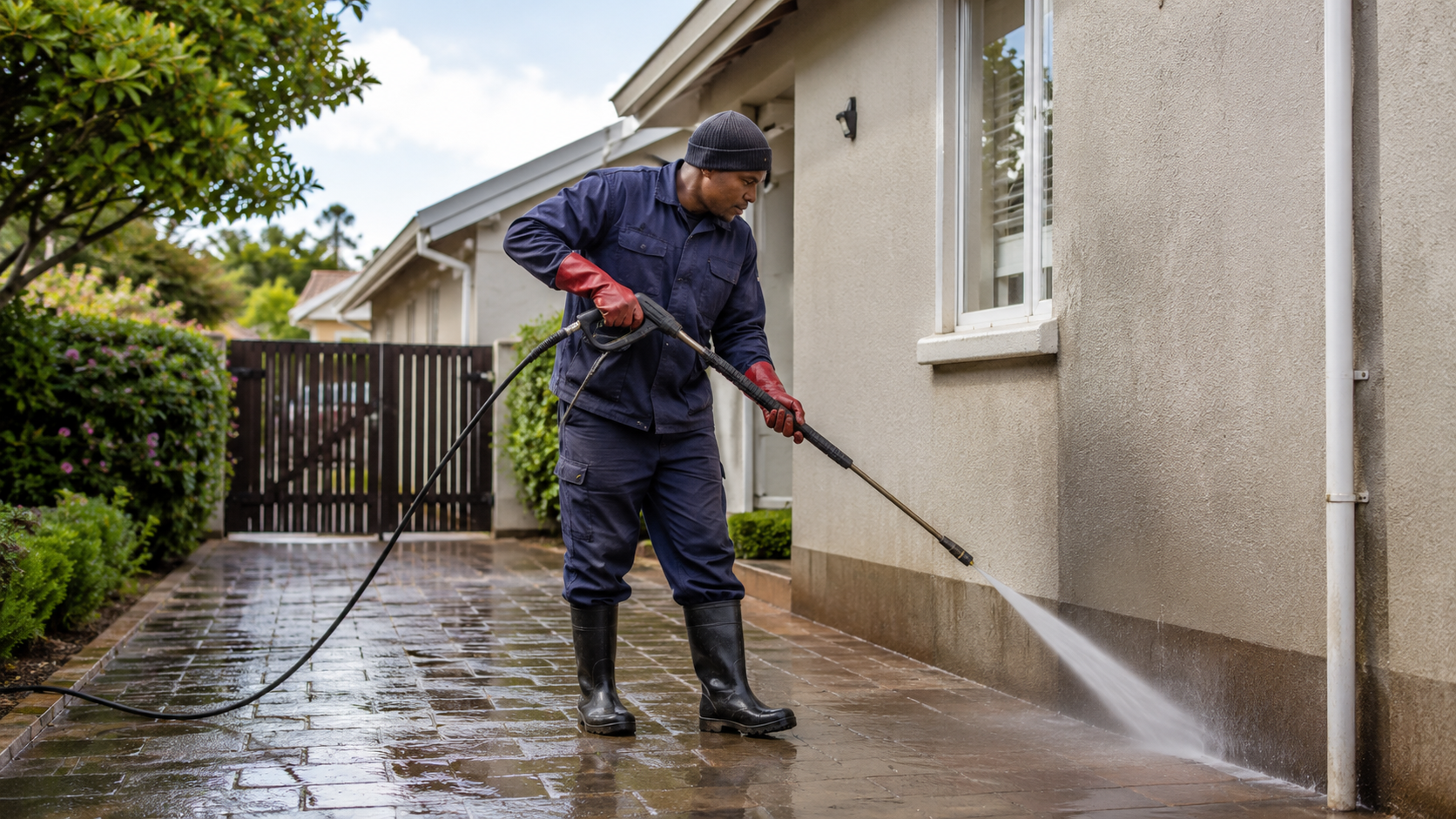
Loose and damaged paint must be removed
Peeling paint cannot be repaired by simply applying another coat over it.
Loose material must be scraped or sanded back until a stable edge is reached. The area may then require filling, smoothing and priming before the finishing coats are applied.
Skipping this process may result in the new paint failing together with the old layer underneath it.
Cracks require proper attention
Not all cracks are the same.
Small surface cracks may require suitable filling and preparation, while larger or recurring cracks may indicate movement or another underlying problem.
A painter can address normal surface preparation, but serious structural concerns should be investigated before decorative work proceeds.Priming creates the correct foundation
Primer performs several important functions.
Depending on the product and surface, it can:
- Improve adhesion
- Seal porous materials
- Stabilise repaired areas
- Reduce uneven absorption
- Protect metal surfaces
- Support better colour coverage
- Prepare bare or previously unpainted surfaces
Preparation improves the final appearance
Properly prepared surfaces produce cleaner lines, more even coverage and a smoother finish.
Repairs are less visible, colours appear more consistent and the completed project has a more professional appearance.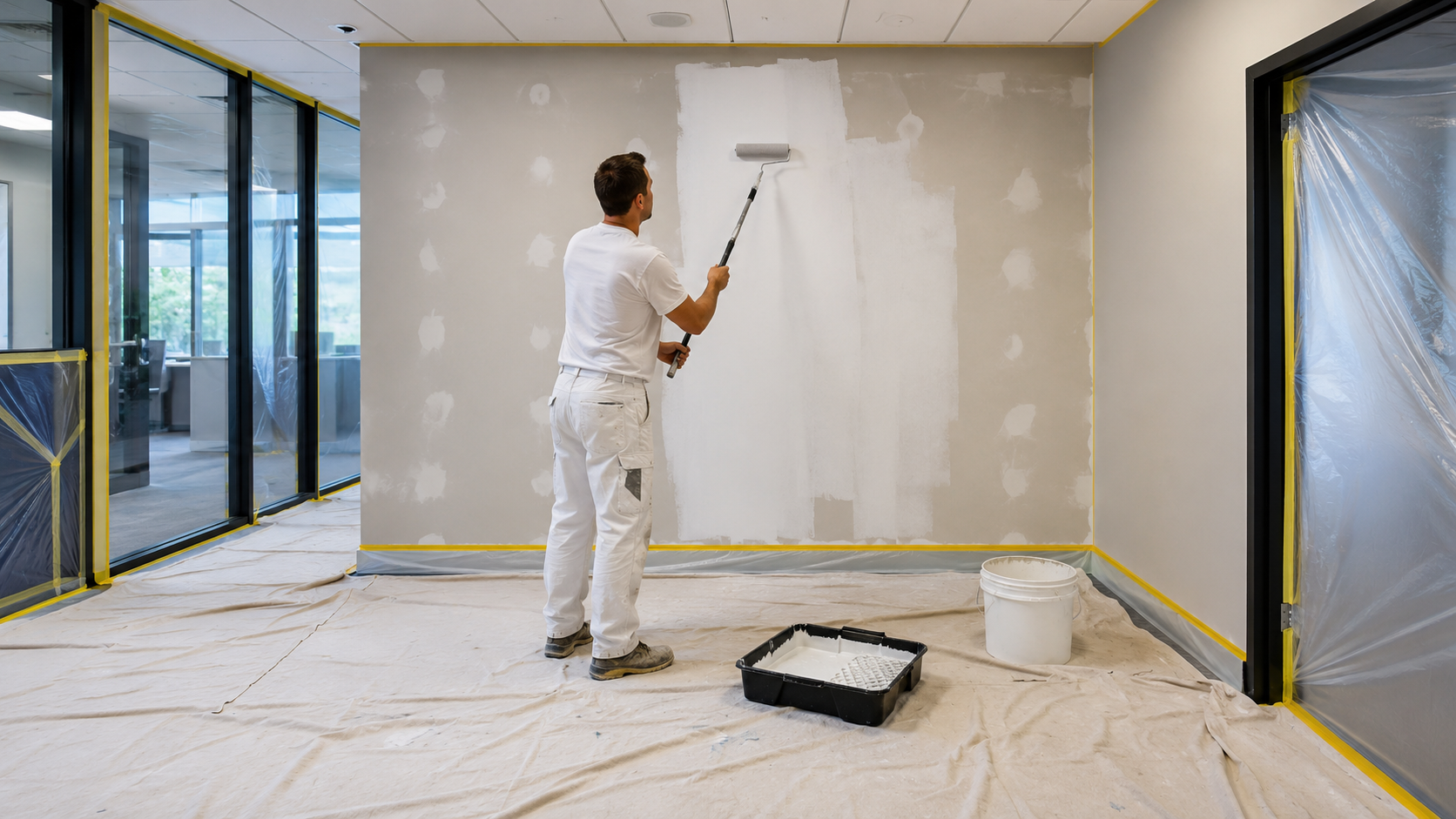
Preparation protects the client’s investment
Surface preparation requires time and labour, but it reduces the likelihood of premature failure.
A quick paint application may cost less initially, but peeling, cracking and uneven coverage can result in additional expense later.
SA Paint Co follows a structured process that may include cleaning, repairs, sanding, priming and the application of suitable coating layers according to the project requirements.
A long-lasting finish is not created by paint alone. It begins with careful inspection and thorough preparation.